





Synthetics in clothing, cleaning tools, and scrubbing pads shed microscopic particles during washing, rinsing, and wear. Those particles bypass many filters and enter waterways, where plankton feeders ingest them and predators accumulate them up the food web. Limit shedding by choosing natural fibers when possible, washing less often, using colder, gentler cycles, and installing laundry filters. Pair these tactics with mindful purchasing of durable, low-shedding textiles to drastically reduce the microplastic load your home releases over time.
Loose rings, strapping, balloon ribbons, and stretchy wraps wrap around beaks, fins, and flippers, restricting movement and feeding. Clear films and foams also look like prey to turtles and seabirds. Cut rings, knot bags, and compress stretchy materials before secure disposal. Reduce exposure altogether by favoring sturdy containers over films and nets. When you host gatherings, skip balloons and tether decorations. These small habits reduce lethal entanglements and mistaken meals, giving marine animals freedom to navigate, feed, and recover.
Plastics can carry additives like plasticizers, flame retardants, and colorants that leach into water, while particles absorb pollutants already present. Ingestion exposes small creatures to a cocktail that concentrates up the food chain, threatening reproduction and growth. At home, choose food-contact items certified for safety, avoid heating plastics, and select alternatives such as glass, stainless steel, or unlined paper. By reducing overall plastic throughput, you lower the chemical burden on marine ecosystems and ultimately on human communities who rely on seafood.
A simple shift in laundry settings can halve fiber shedding. Wash synthetics in a dedicated capture bag or install an inline filter for your machine. Use colder, shorter cycles and liquid detergents without softeners that can damage fibers. Air-dry when possible, and clean filters safely, disposing of captured lint in the trash, never down the drain. Consider upgrading toward natural fiber garments over time. Each load then sends fewer invisible pollutants toward waterways, reducing ingestion risks for marine invertebrates and fish.
Choose shampoo and conditioner bars, refillable deodorants, and metal or glass containers for lotions where available. Read ingredient lists to avoid microbeads and unnecessary glitter that persists in water. Favor reusable safety razors over disposables, and pick toothbrushes with replaceable heads. Many brands now offer take-back programs for pumps and caps. By curating a few reliable products, you reduce plastic fragments and complicated combinations that rarely recycle, easing pressure on coastal ecosystems while keeping your routine simple, effective, and enjoyable.
A handful of concentrates can replace a cupboard of single-use plastic bottles. Mix all-purpose, bathroom, and glass cleaners in sturdy, clearly labeled spray bottles with long-lasting triggers. Avoid products marketed as biodegradable without context; focus on refills you can actually access. Microfiber cloths are efficient but shed; wash them in capture bags and line dry. Pair with natural fiber cloths for many tasks. Share your favorite formulas and dilution ratios, helping others maintain sparkling homes while keeping ocean habitats healthier.

Food residue contaminates loads and attracts pests that tear open bags. Rinse, shake dry, and reattach caps so small pieces don’t escape sorting lines. Flatten bottles only if local guidance allows, and keep items visible, not nested. Keep bins closed on windy days and avoid overfilling. By respecting local guidelines, you increase the chance materials get recovered, preventing wayward pieces from drifting toward storm drains, rivers, and ultimately the ocean where marine animals face entanglement and ingestion hazards.
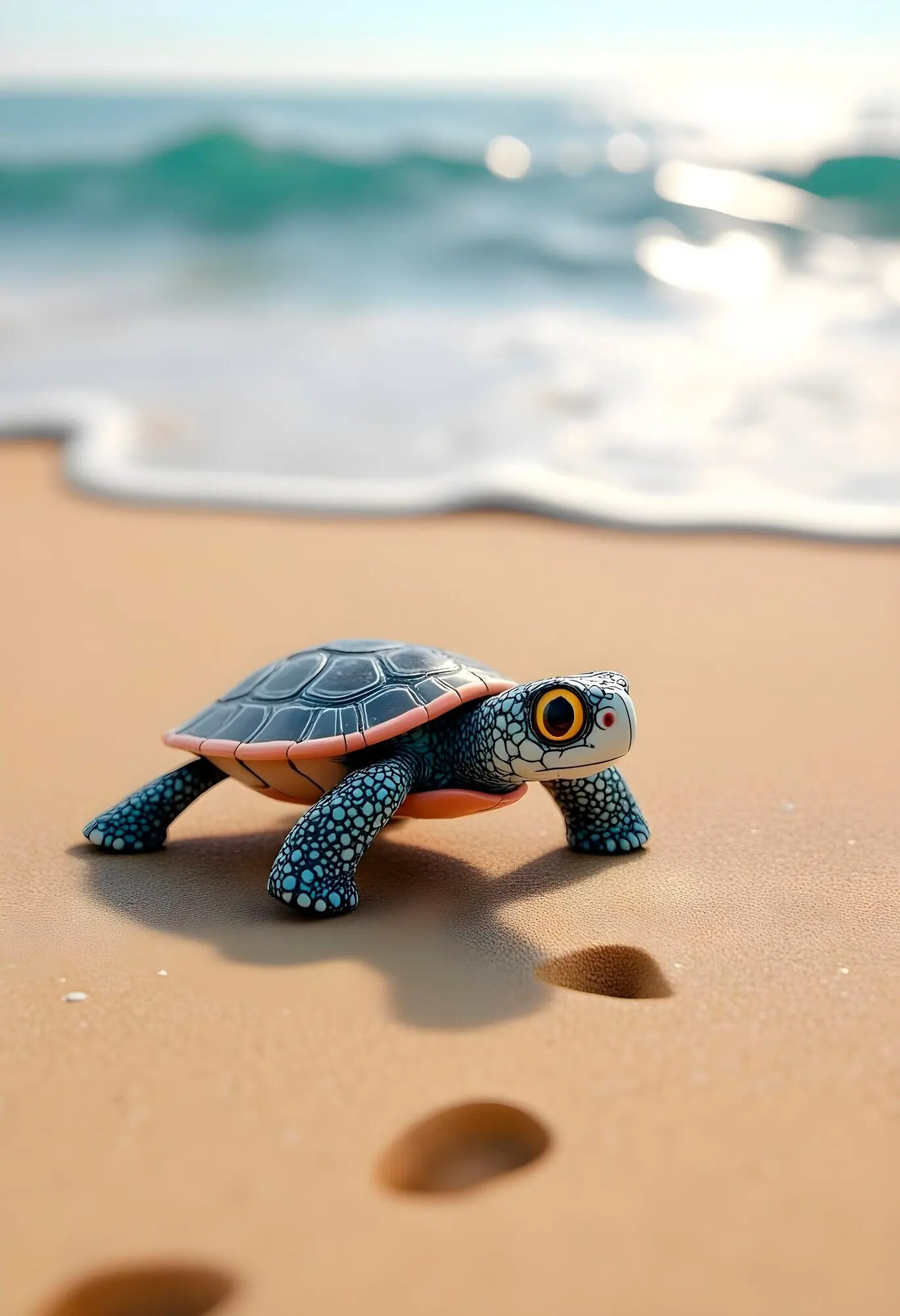
Grocery bags, overwraps, padded mailers, and foams often require store drop-offs or mail-back programs. Collect them clean and dry in a dedicated bag to avoid scattering. Cut cords, straps, and rings so they can’t ensnare wildlife during transport. Research local pilots for fishing line or textile recovery, and share discoveries in the comments so others can participate. These small systems keep notorious offenders from slipping through curbside gaps and accumulating along shores where fragile species suffer the consequences.
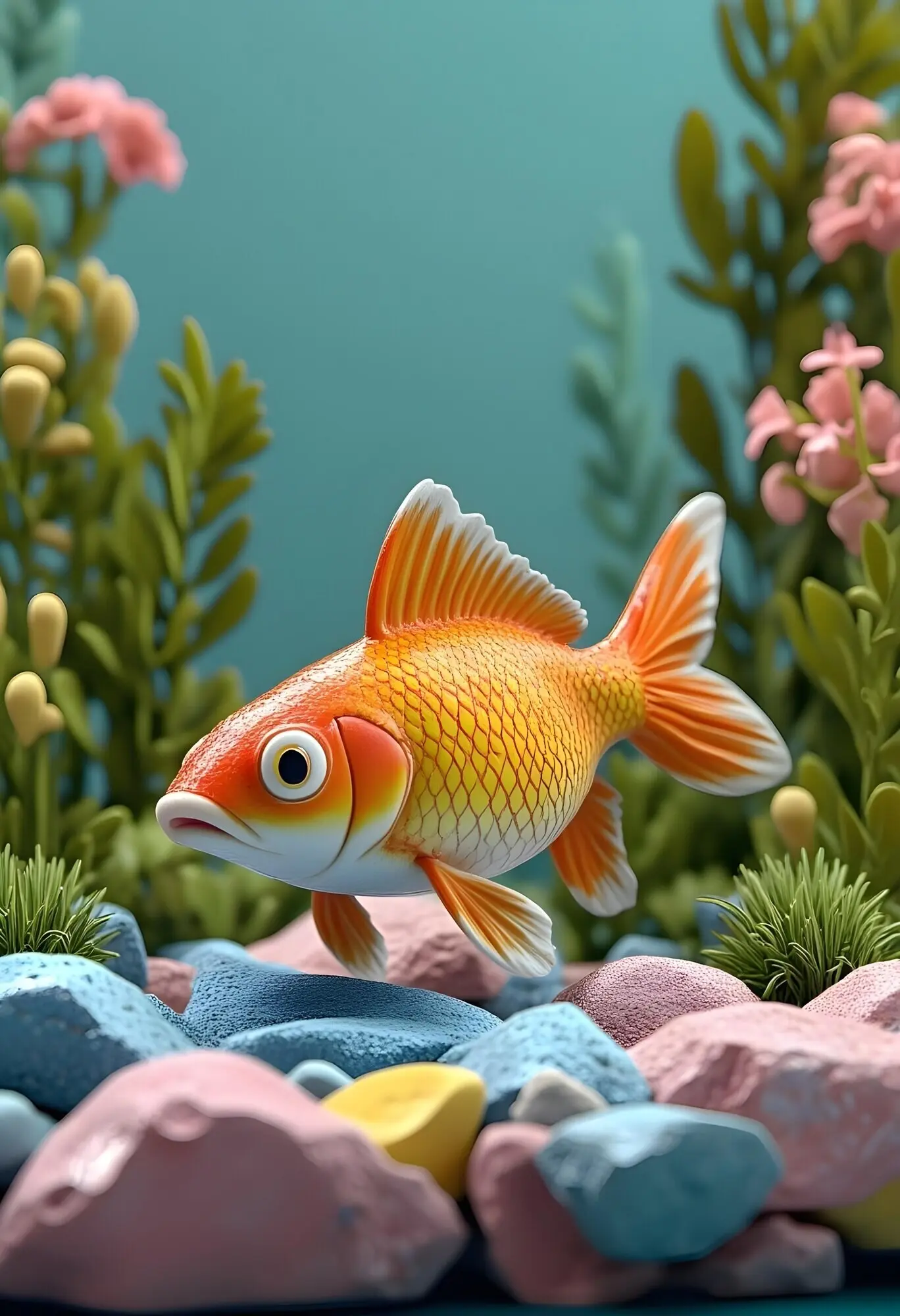
Compostable plastics typically need industrial conditions not found in oceans, rivers, or most home piles. In marine environments, they can persist and fragment like conventional plastics. Use certified compostables only where the correct facility exists, and prefer reusable containers whenever possible. If you must use single-use items, choose uncoated paper or fiber that your local composter accepts. Clear up confusion in your household with a simple sign, preventing well-meaning mistakes that could still threaten turtles, seabirds, and coastal mammals.

All Rights Reserved.