
Small Spaces, Wild Visitors: Native Pocket Gardens on Balconies and Patios

Today we’re diving into creating native plant pocket gardens for pollinators on balconies and patios. With a handful of containers, regionally appropriate species, and thoughtful placement, you can host bees, butterflies, and hummingbirds several stories up. Expect practical tips, candid mistakes, and cheerful wins from compact urban setups. Share your questions, post sightings, and help weave tiny sky-high stopovers into a living corridor that stitches neighborhoods together with nectar, color, and curiosity throughout the seasons.

Reading Your Space: Light, Wind, and Microclimates

Before buying plants, learn how your balcony or patio behaves through a full day and across seasons. Sun angles shift, wind funnels around corners, and reflective glass or brick can turn quiet corners into warm pockets. Observing these patterns for a few days will save money, protect seedlings, and guide container placement. This simple habit transforms guesswork into confidence, and it turns even challenging exposures into opportunities for specialized plantings that thrive rather than merely survive.

Sun Mapping Without Gadgets

Use a notebook and your phone’s clock to sketch sun movement. Note direct sun hours, dappled light, and hot reflections from nearby walls. Morning light can be gentle for delicate blooms, while afternoon heat suits drought-tolerant natives. Track in spring and midsummer if you can. This simple ritual reveals the best spots for nectar-rich flowers, helps avoid scorch, and sets up a season-long buffet that pollinators can rely on during their busiest flights.

Taming Balcony Winds

Wind can stress plants, topple containers, and discourage visiting pollinators. Break gusts with open-weave screens, trellised vines, or grouped pots that dissipate pressure instead of creating turbulence. Choose sturdy containers to anchor tall stems, and stake only when necessary to avoid clutter. By softening edges and using airflow thoughtfully, you turn blustery ledges into calmer, safer landing zones, where bees hover confidently and butterflies can sip steadily without wobbling like kites against unpredictable gusts.

Making Room in Tight Quarters

Think vertical and modular. Tiered stands, railing boxes with secure brackets, and wall-mounted pockets free precious floor space. Group plants with similar needs, leaving open approach paths for flying visitors. Stagger bloom heights to create a layered effect that looks lush without crowding. When space is scarce, select compact native cultivars or naturally small species. Together, these choices create an inviting, navigable patchwork that maximizes nectar while keeping your morning coffee nook beautifully usable and uncluttered.

Bloom from Early Spring to Frost

Design a calendar of nectar. Start with early spring blooms for waking bumble queens, flow into summer abundance, and end with late-season flowers that fuel migrations. Even three containers can cover months: one early, one midsummer, one fall. Continuous color doesn’t just impress neighbors; it keeps pollinators returning, learning your space as a reliable station. That habit of return turns a small balcony into a dependable refuge during stressful heat waves or stormy interruptions to normal foraging.

Host Plants for Caterpillars and Specialists

Add at least one larval host plant. Milkweed nourishes monarch caterpillars; golden alexanders support black swallowtails; violets help fritillaries. Many native bees also specialize by flower family or region. Hosting doesn’t always look tidy—chewed leaves mean success, not failure. Share this story with neighbors, because understanding changes attitudes. A single pot of the right host can spark a child’s awe as a caterpillar grows, reminding everyone that beauty includes the messy, miraculous middle chapters of transformation.

Color, Shape, and Tongue Length

Different pollinators prefer different flowers. Tubular reds and oranges invite hummingbirds; open composite blooms help short-tongued native bees; deep tubes favor long-tongued bumblebees. Cluster several plants of the same species to create efficient foraging patches rather than scattered dots. Diversity matters, but repetition helps visitors feed quickly and safely. This nuanced mix transforms a decorative display into a thoughtfully engineered buffet, tuned for real creatures with real needs, not just our eyes and weekend photo opportunities.

Containers, Soil, and Drainage That Support Wild Guests
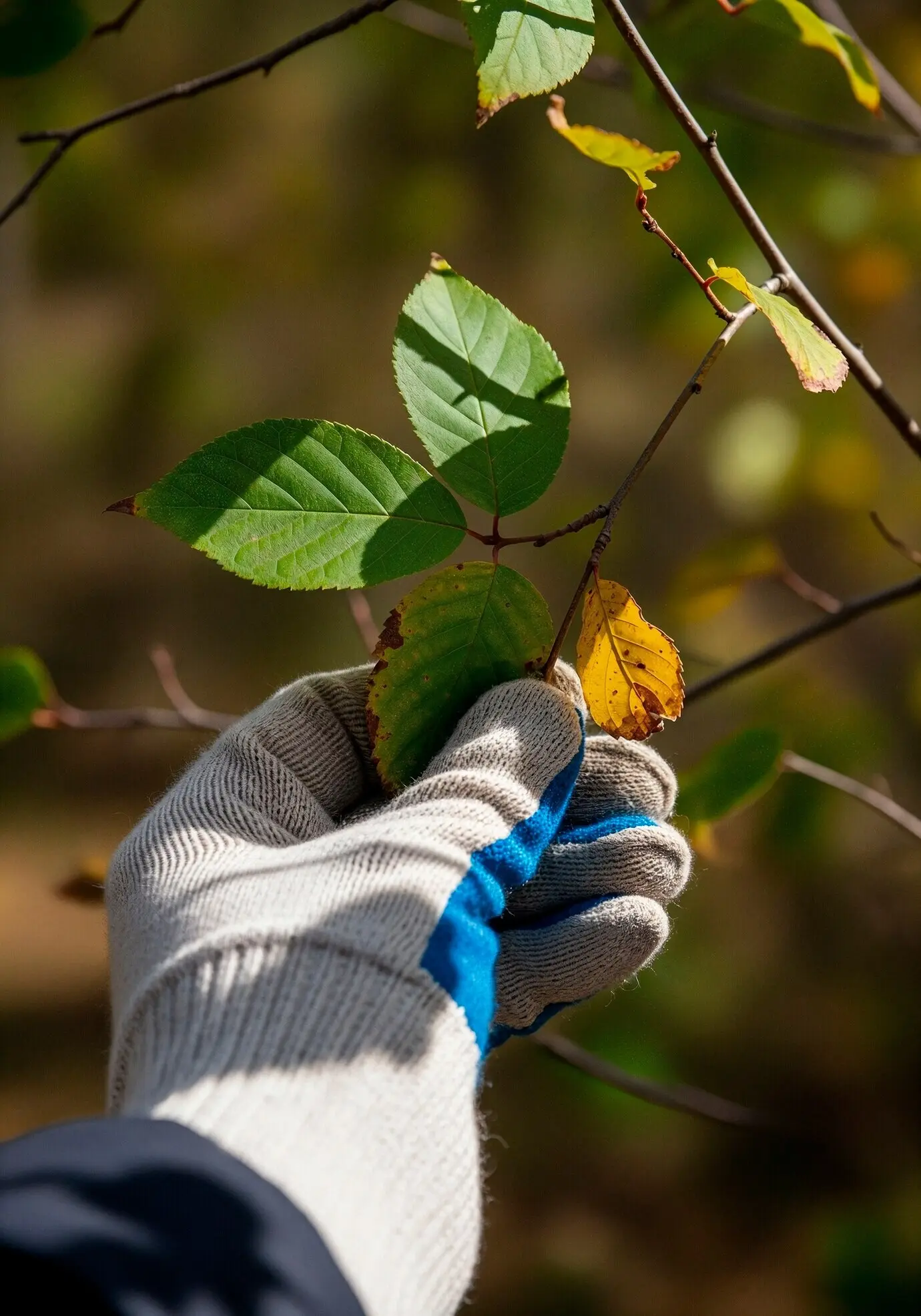
Healthy roots fuel nectar and pollen production. Choose containers deep enough for species’ habits, with drainage holes and stable weight for windy sites. Lightweight potting mixes with added compost retain moisture without becoming swampy. Avoid garden soil; it compacts and suffocates roots in containers. Add a thin mulch layer to moderate temperature and slow evaporation, keeping blooms steady during heat spikes. These backstage details create the consistent conditions that make small gardens dependable refueling stations rather than occasional surprises.

Watering Routines that Match Your Life

Pick a schedule you can keep. Early morning watering reduces evaporation and gives pollinators safer, drier landing zones by midday. Use a finger test before watering again; soils should be cool and slightly moist, not soggy. Add a layer of mulch to stretch intervals between sessions. Establishing a predictable rhythm keeps blooms fresh, nectar flowing, and stress low when heat spikes. Your commitment, even five minutes a day, ripples outward as reliable food for visiting wings.

Feeding the Soil, Not the Plants

Compost, leaf mold, and diluted worm tea nurture microbial life that unlocks nutrients gently. This slow, steady feeding produces sturdier stems and richer floral rewards without the soft, pest-prone growth often caused by quick salts. Top-dress containers in spring, and refresh midseason if plants look tired. Healthy soil biology becomes an invisible ally, smoothing out your learning curve and helping flowers rebound after storms, missed waterings, or that ambitious weekend rearrangement that left everything slightly more sun-struck than expected.

Skip Pesticides, Welcome Balance

Pesticides often harm the very visitors you’re inviting. Instead, encourage lacewings, lady beetles, and small parasitic wasps by offering habitat and refraining from harsh sprays. Hand-pick pests early, blast aphids with water, and prune lightly to improve airflow. Accept a few nibbles as part of the story. Over time, your balcony becomes a miniature ecosystem that regulates itself, where predators arrive right when needed, and pollinators forage freely without the invisible risks that undermine their fragile populations.

Water, Care, and Organic Stewardship

Regular, thoughtful care ensures flowers offer nectar when visitors need it most. Water deeply but less often to encourage resilient roots. Feed the soil with compost or organic teas, not synthetic fertilizers that push weak growth. Skip pesticides; invite natural predators and practice gentle hand-removal when needed. Observe plants closely, adjusting care through heat waves and cool snaps. This kinder approach builds a balanced, lively community where plants, insects, and people share space harmoniously, even within a few square meters.

Design for Delight: Habitat Features in Miniature

Thoughtful design turns containers into more than decorations. Group plants in generous clumps for efficient foraging, layer heights for shelter, and leave open approach lanes. Add a shallow water dish with pebbles for safe sipping, and consider stems or small bundles of hollow reeds for native bee nesting. Evening-scented flowers extend activity into twilight. These touches transform a few pots into a welcoming place where wild visitors feel comfortable lingering, and you feel joy every time a winged guest arrives.

Observe, Share, and Grow a Community

Citizen Science from the Railing

Contribute observations to platforms like iNaturalist or community science programs tracking butterflies, bumblebees, and hummingbirds. A single record of a rare visitor can guide conservation. Clear photos, approximate times, and plant names make your notes valuable. You’re not just gardening—you’re mapping abundance and absence, season by season. This small habit invites purpose to your morning check-ins and empowers others to notice, question, and protect the understated miracles unfolding at eye level between coffee cups and cloud edges.

Photos, Logs, and Tiny Experiments

Use your phone to document which plant clusters attract more visits, which colors shine in shade, and how wind shelter changes behavior. Try swapping two containers and watching traffic shift. Keep observations low-pressure and curious. Over months, patterns emerge, guiding smarter plant choices and more reliable bloom calendars. Sharing these bite-sized experiments encourages friendly learning circles where even beginners feel brave enough to try, fail gently, and try again, building confidence alongside nectar-rich flowers and appreciative wings.

Invite Neighbors, Build a Corridor

Pollinators don’t see property lines. When neighbors add even a pot or two of regionally native flowers, your combined efforts stretch farther. Offer seed swaps, share cuttings, and host a balcony tour. Friendly conversations often break myths about messiness or “bugs” and replace them with stories of transformation. A casual network of containers becomes a stepping-stone corridor, helping wildlife persist while weaving new friendships across railings and hallways. Start small, invite kindly, and watch the buzz grow.
Tufivefufumivu
Privacy Overview

This website uses cookies so that we can provide you with the best user experience possible. Cookie information is stored in your browser and performs functions such as recognising you when you return to our website and helping our team to understand which sections of the website you find most interesting and useful.